


Collecting rainwater in a rented flat
Living in the centre of the city and still consciously using resources? This is no longer a contradiction in terms. Even in a rented flat, rainwater can be collected and used sustainably with simple means. Whether for watering balcony plants, cleaning or as a supplement to modern systems. Even small measures help to save water and protect the environment and your wallet. This makes sustainable behaviour a matter of course, even in small spaces.

The most important points summarised
Possible without garden access with:
- Small rain barrel on the balcony (up to 100 litres)
- Small rainwater collector on the downpipe
- Rain collector with lateral drainage into mobile tank
- Folding tank or mobile balcony water tank
- Wall-mounted rainwater tank with planting function
- Large watering can for direct filling when it rains
With garden access possible with:
- Rain barrel on gutter or outbuilding
- Mobile tank without fixed building connection
- Downpipe rainwater collector with fixed connection to the downpipe (subject to approval)
- Shared rainwater system in a block of flats
Realisable even without a garden
Rainwater can be cleverly collected even without a garden. Compact collection systems for the windowsill or balcony do not need to be buried in the ground and offer ideas for flats with a narrow balcony. Small rainwater collection containers for balcony flats are particularly practical, as they can be discreetly integrated and can store a lot of water even in a small space.
Legal basis and landlord authorisation
If you live in a rented flat and want to use rainwater, you should be aware of the legal framework. Small systems, such as a rainwater collector for the balcony, are generally not subject to approval as long as no structural changes are made.
Filter systems and mobile tanks, which can be dismantled without leaving any residue, therefore have an advantage that is particularly important in rental properties. Under tenancy law, the use of rainwater is often classified as a "use-neutral measure" as long as no permanent changes are made to the building. If you also want to plant or decorate your rain barrel, you should also pay attention to safety and stability here. Many landlords welcome sustainable ideas if they are properly implemented. If in doubt, a written agreement is recommended, which creates legal certainty for both parties and strengthens the common goal - environmentally conscious living.

Options for collecting water in a rented flat
Rainwater can be collected in many places in a flat, even where you would hardly expect it.
- Balconies,
- terraces,
- window sills,
- the downpipe itself
offer potential for collecting and utilising valuable water. Compact systems that take up hardly any space and blend harmoniously into their surroundings are particularly practical. A large watering can fits effortlessly next to planter boxes or furniture and can be used on the move.
Wall-mounted bins
Wall-mounted bins can be an elegant solution for tenants. These systems save valuable floor space and blend harmoniously into the façade or balcony wall. Combination models with integrated planters are particularly popular. They combine function and design in the smallest of spaces. This creates a double benefit:
- Decorative planting
- and clever rainwater management in one
Many models are UV-resistant, frost-proof and robust so that they can be used all year round. An integrated filter insert retains coarse dirt, ideal for tenants who value sustainability and cleanliness in equal measure.
Access to the downpipe
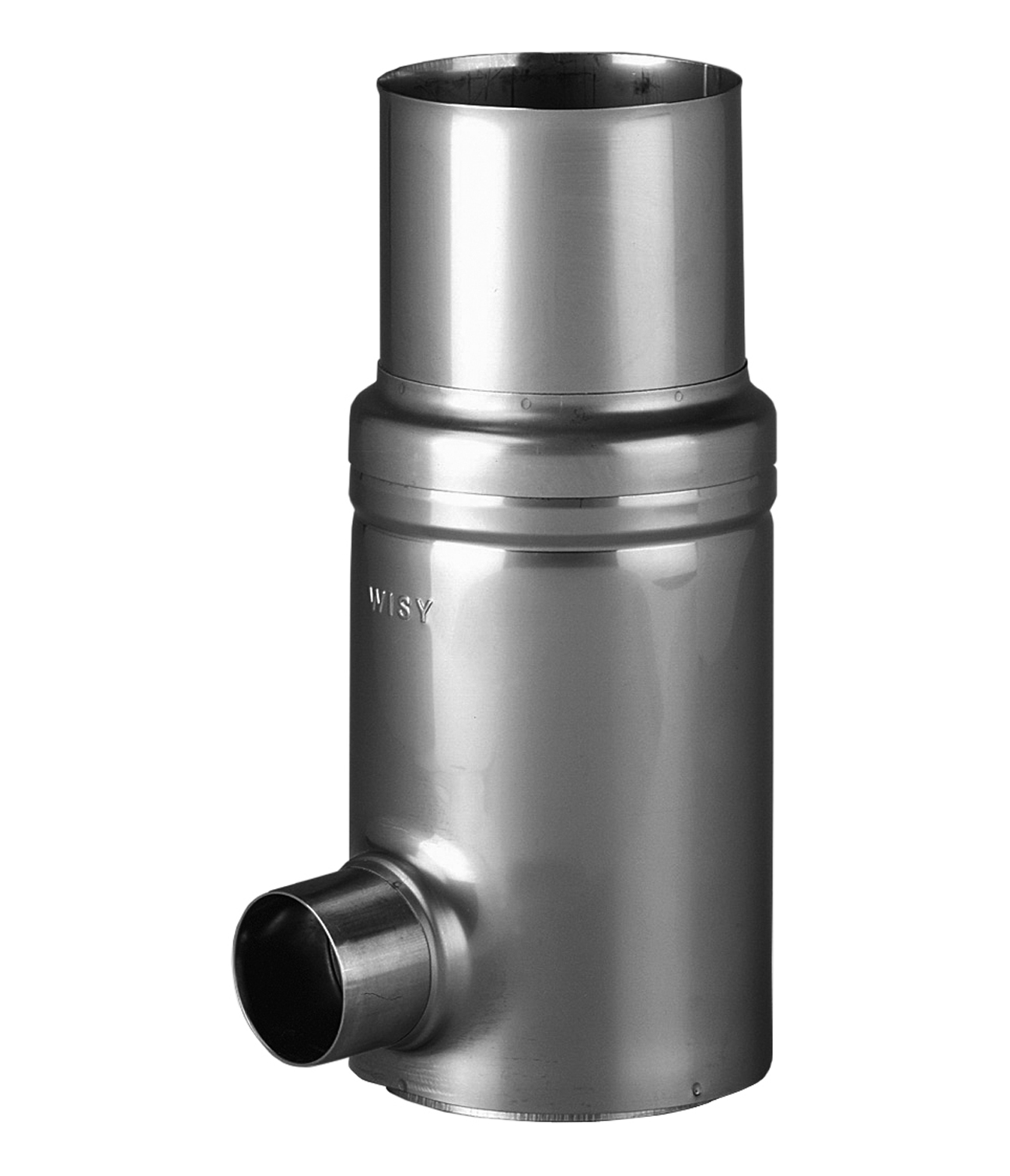
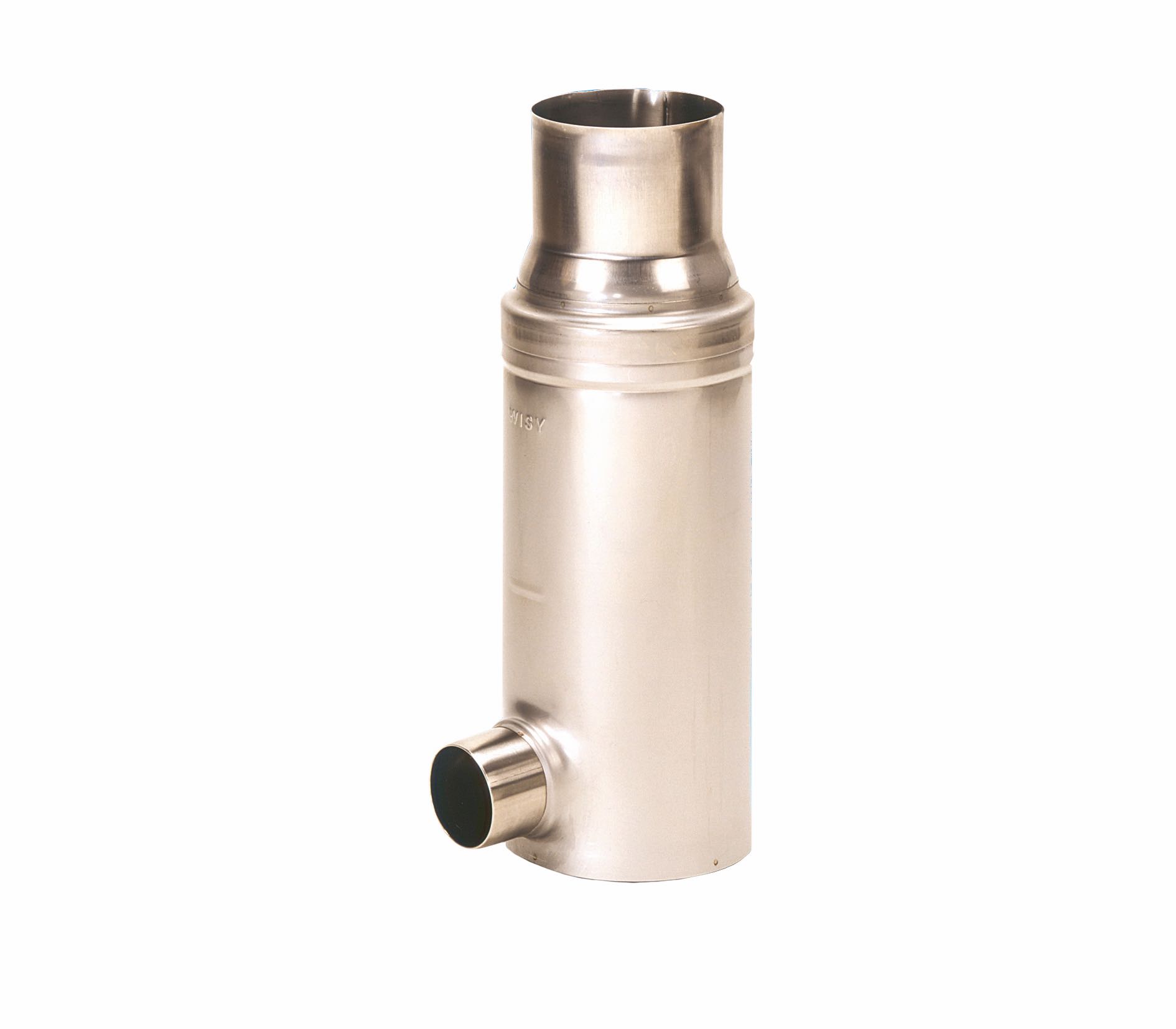
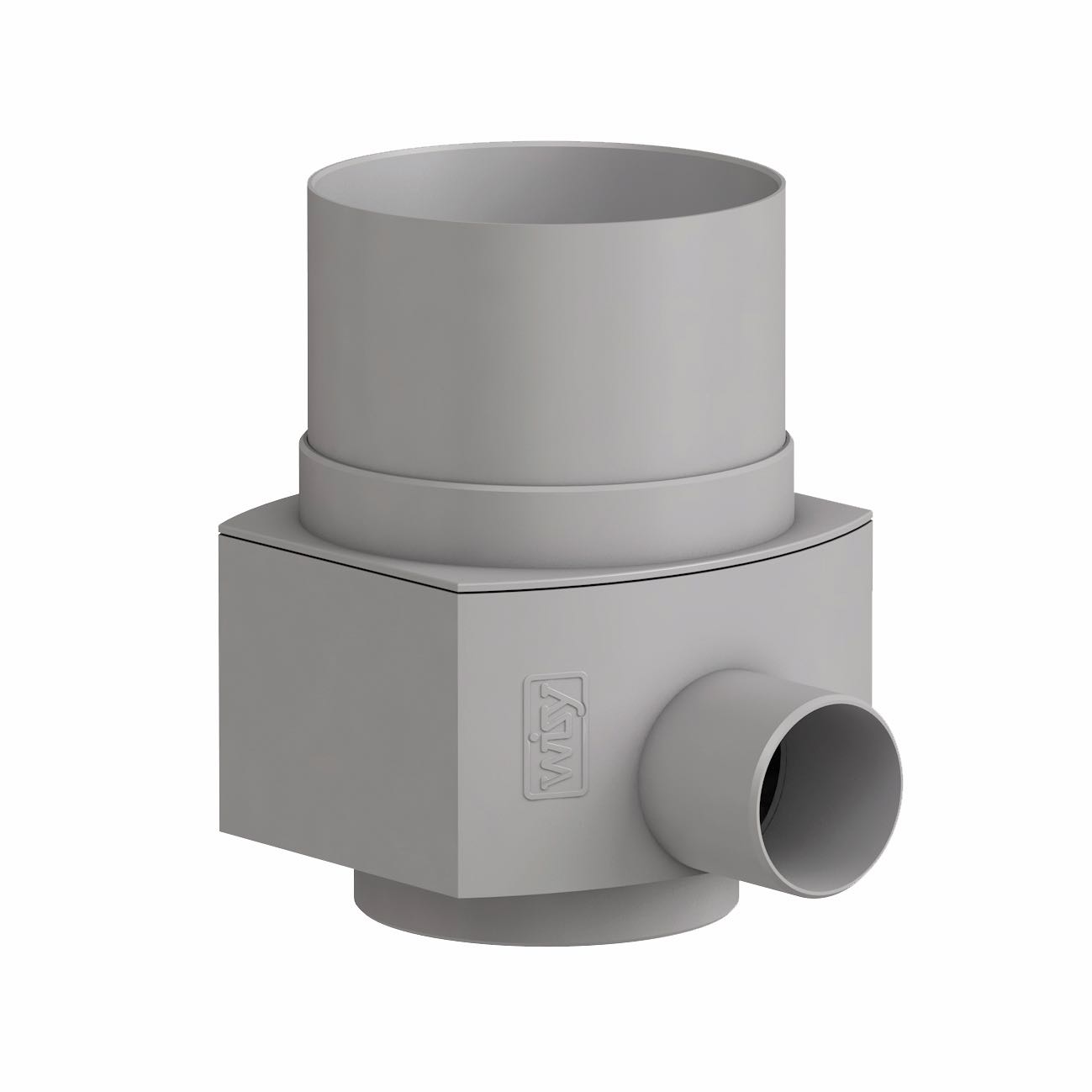
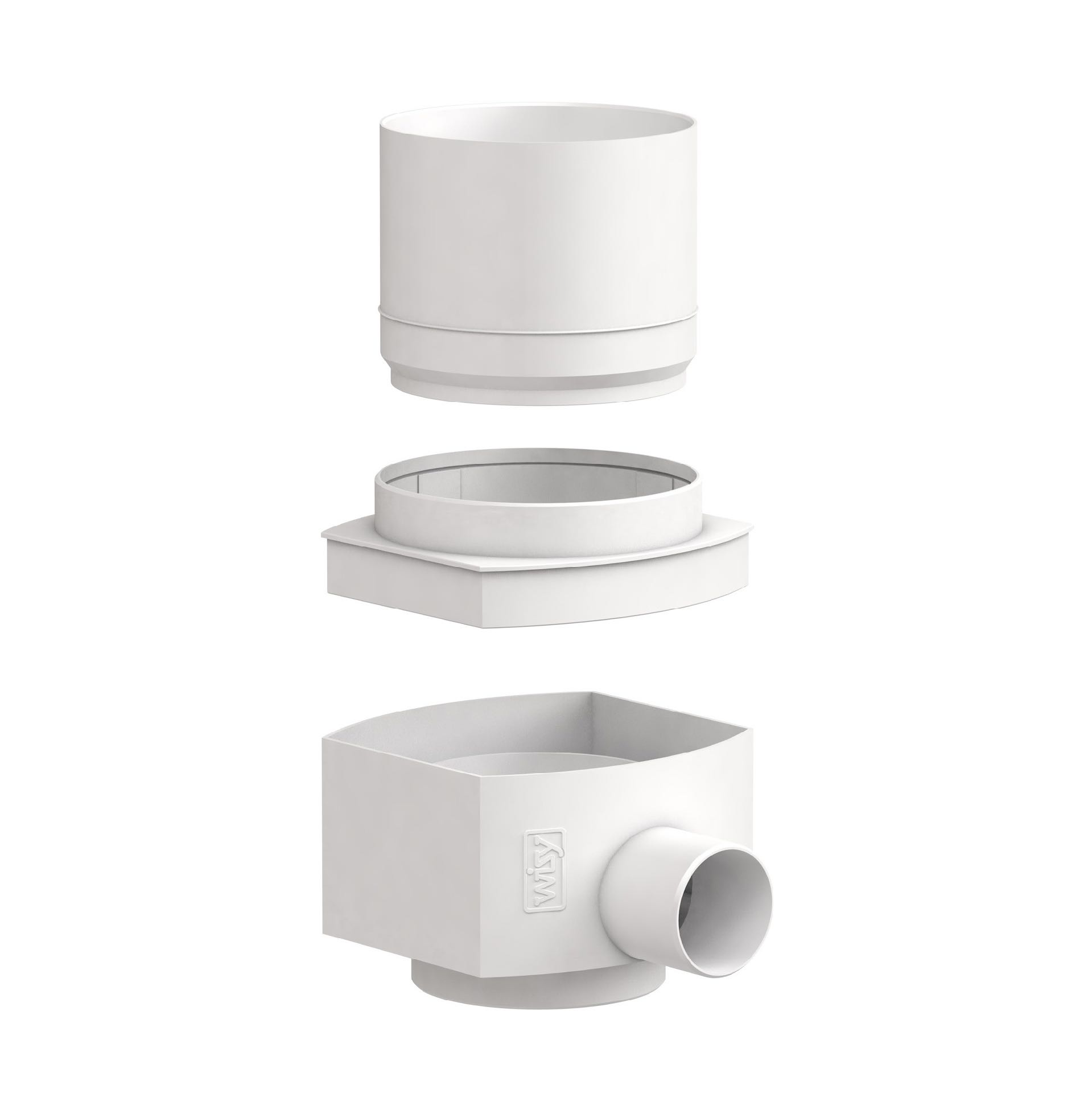
A technically much more efficient solution for rainwater utilisation in a rented flat can be to access the vertical downpipe. In some buildings, rainwater downpipes run directly past balconies. The rainwater drained off there can generally be collected in a controlled manner, but only via a professional branch. Direct access to the downpipe is always a structural change to the building. The pipe is part of the drainage system and may not be opened, drilled into or diverted without authorisation. Any modification requires express authorisation.
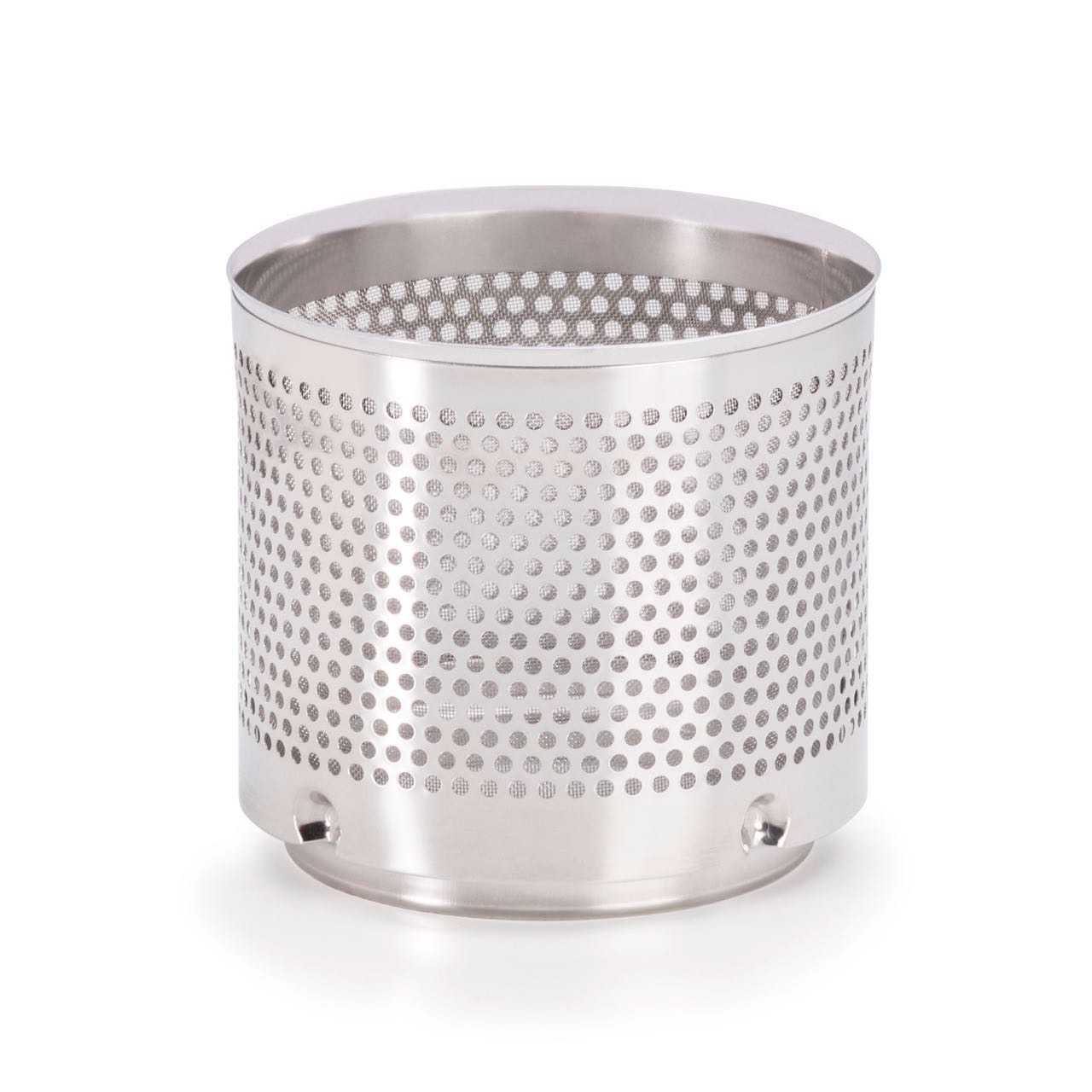
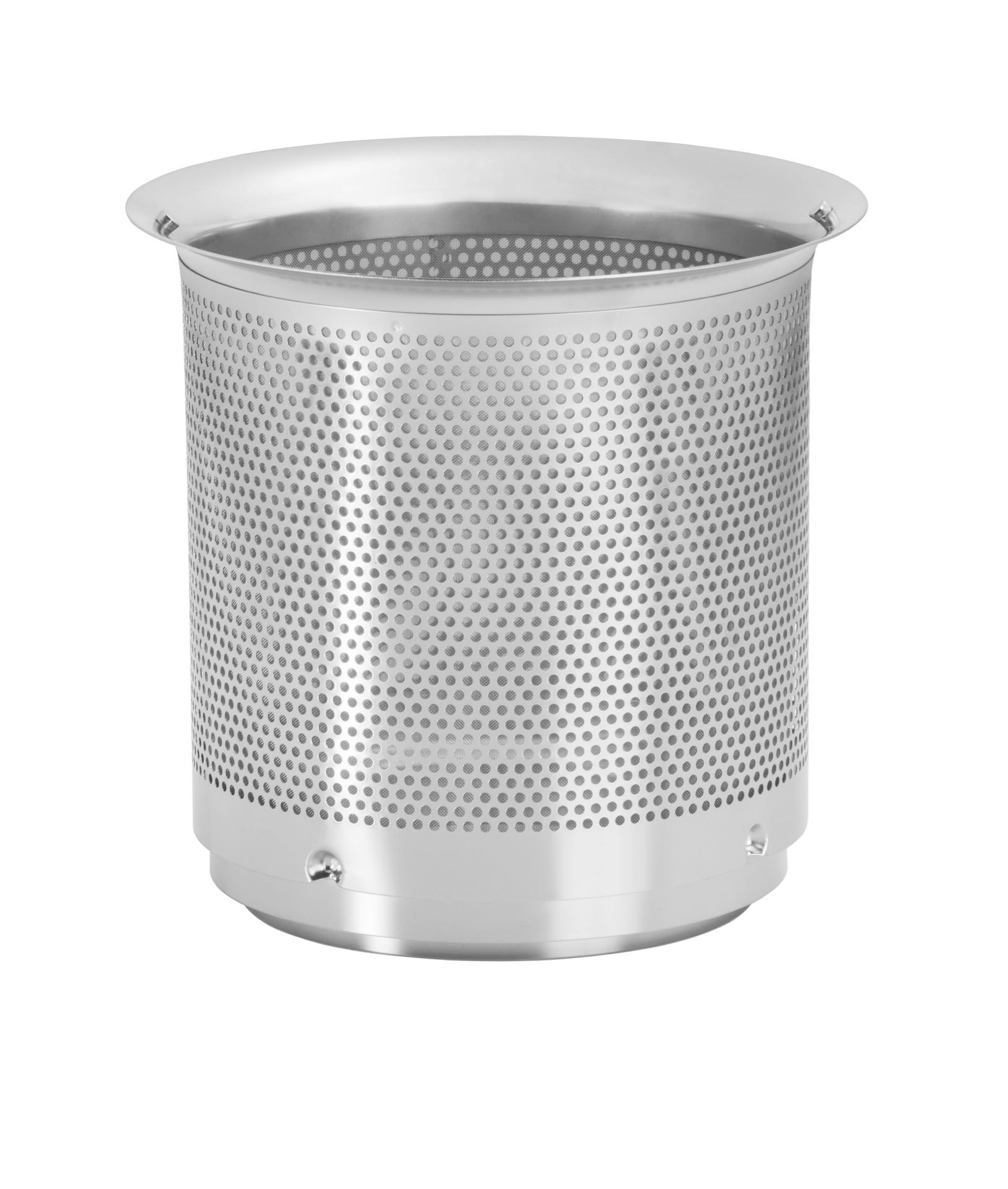
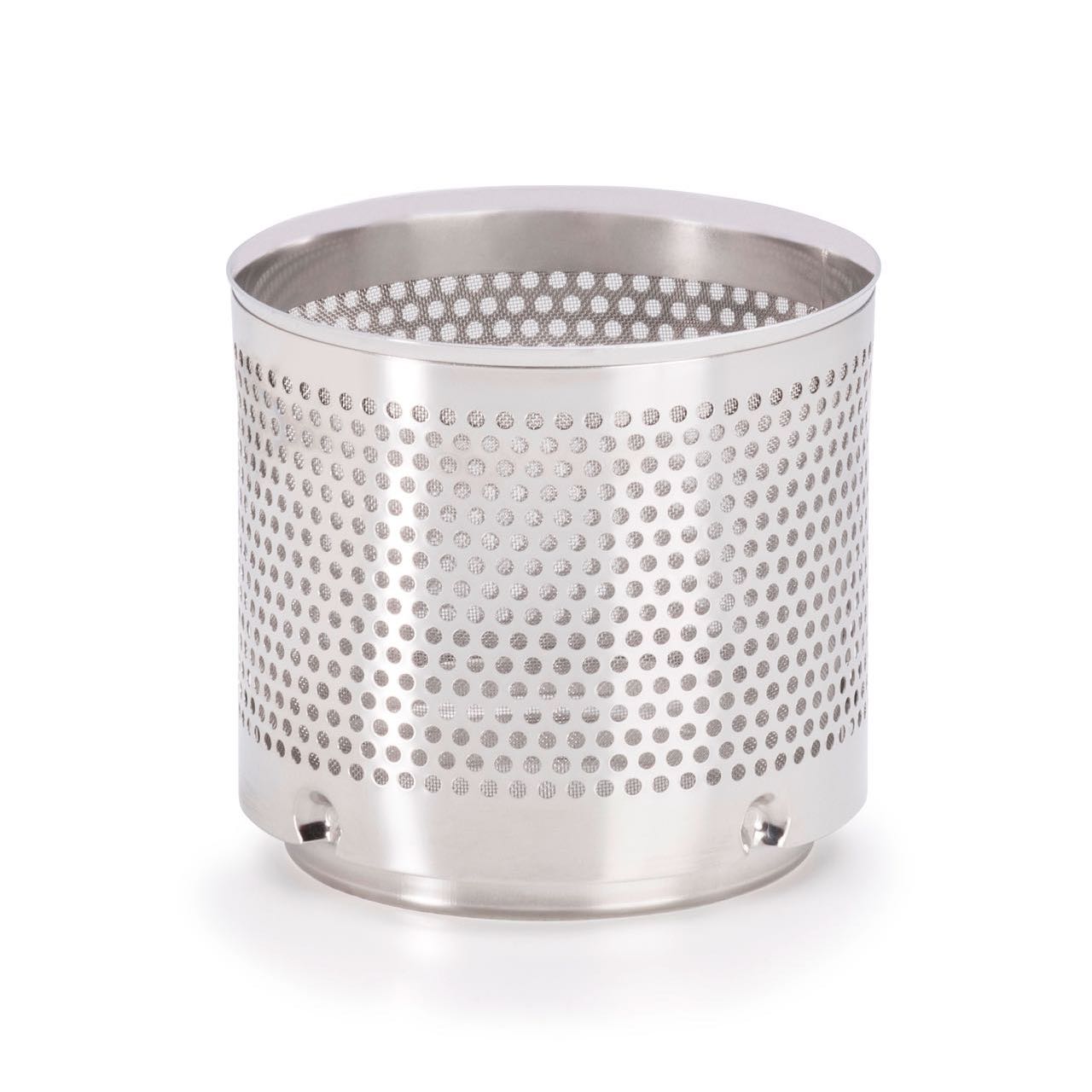
Technically, rainwater is extracted via a so-called rainwater collector or downpipe filter, which is integrated into the existing downpipe. These systems channel some of the rainwater to the side into a storage tank, while excess water continues to be discharged regularly via the downpipe.



Mobile rain barrels or collapsible tanks for maximum flexibility
A small, compact rain barrel for the balcony is the ideal solution for anyone who wants to use rainwater flexibly on their balcony. Compact versions can even be set up in narrow spaces and easily repositioned as required. Mobile systems or collapsible tanks are particularly handy and can be easily folded up when not in use, perfect for seasonal use or small rental properties. Many models are equipped with handles or rolling systems, making them easier to transport. This makes rainwater utilisation a practical, durable and uncomplicated solution.
Realisable with garden access
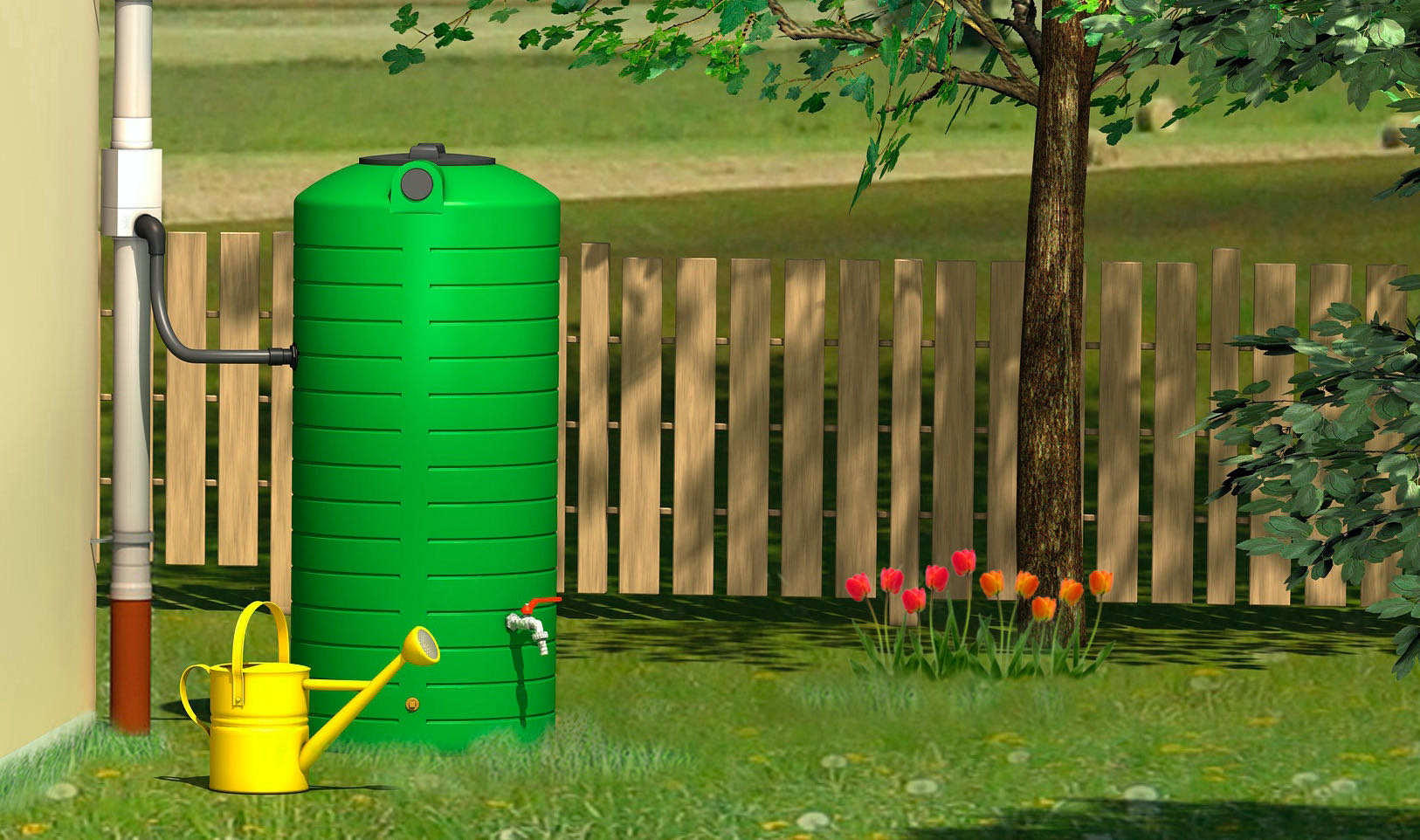
If a rented flat has direct access to a garden or terrace with an outdoor area, rainwater can be collected relatively easily in a rain barrel or rainwater tank. The prerequisite is usually a roof area or an outbuilding from which the rainwater is drained via a gutter and a downpipe.
Legally, a distinction must be made between mobile and permanently installed solutions. A freely installed rainwater barrel without any structural changes to the building is usually considered a permissible use of the rental property. However, if the downpipe is interfered with, a rainwater collector is installed or a fixed connection to the building drainage system is established, this is considered a structural alteration. In this case, the landlord's consent is required. It is therefore generally advisable to agree the planned use with the owner or property management in advance in order to avoid conflicts later on.



Filter and store rainwater correctly
Correct filtration is crucial to ensure that collected rainwater remains clean and usable in the long term. Pre-filters reliably protect against leaves, dust and minor impurities before the water enters the collection tank to ensure clean water quality even in the smallest of spaces. Reusable filter inserts can be easily removed, rinsed and reinserted. A closed tank with a lid is recommended for storage, which prevents light from entering and thus prevents the formation of algae. Aeration systems also ensure that the water remains fresh and that no unpleasant odours arise. Mobile tanks can be safely stored indoors if they are tightly sealed and cleaned regularly. This keeps the water hygienic and is ideal for watering plants or cleaning in the home.

Shared systems in apartment blocks
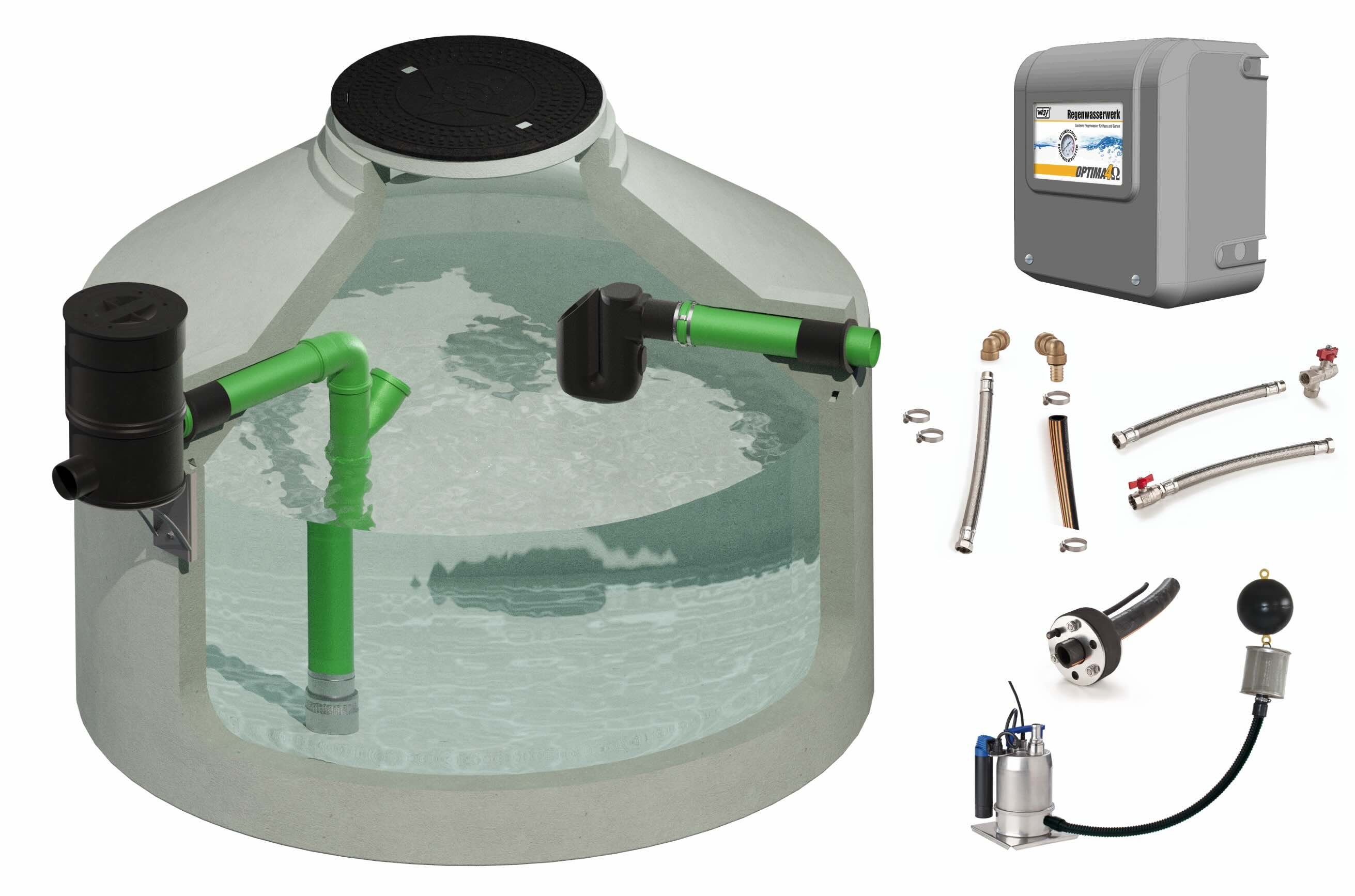
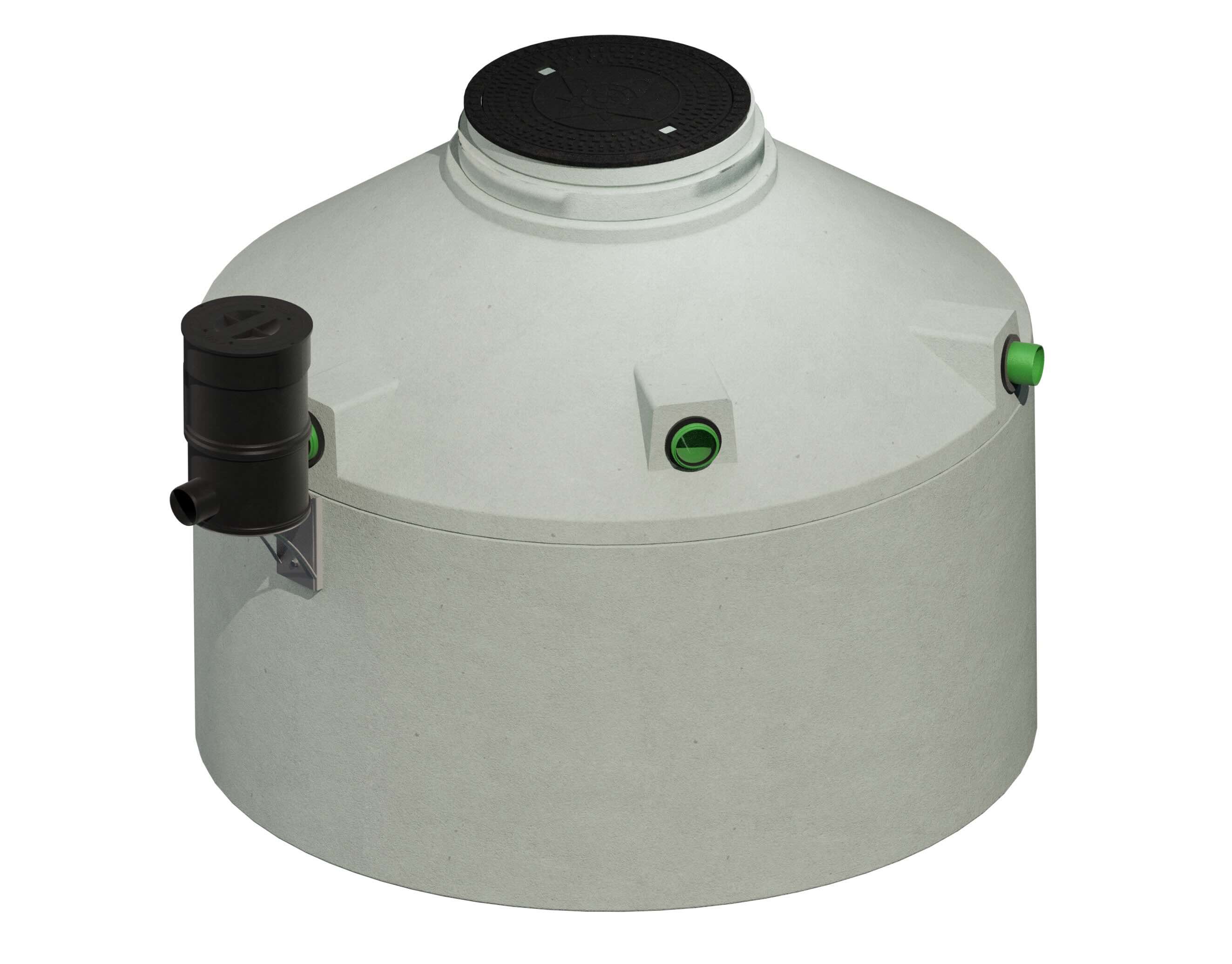
More and more residential complexes are also relying on communal rainwater utilisation, a solution that has great potential, especially in cities. Instead of equipping individual rented flats separately, rainwater is collected centrally, filtered and then used for garden maintenance, cleaning work or even flushing toilets. Such systems are usually installed in outdoor areas or basements and can be shared by all residents.
The advantage: lower costs per household, less maintenance and a significantly greater environmental benefit. Even in existing buildings, smaller systems can often be easily retrofitted, provided the property management or owners' association agrees. The result is a sustainable model that promotes community and conserves resources at the same time.

Sustainable and independent
If you live in a rented flat, you can make an important contribution to environmental protection with little effort and become more independent at the same time. Using rainwater conserves valuable resources. Tenant-friendly systems make it possible to act sustainably without any structural changes. If you are wondering whether you are allowed to collect rainwater at all, you can rest assured! In Germany, rainwater harvesting is generally permitted as long as the water is not fed into the drinking water network.