


What does garden water cost?
Water consumption in the garden can quickly become expensive, especially if many plants need to be watered regularly. Tap water incurs running costs that can range from €1.50 to €3.00 per cubic metre, depending on the region. Alternatives such as rainwater or well water offer great savings potential. Cisterns and rainwater barrels can also help to reduce costs in the long term, although there are initial purchase costs. In this article, you will learn how to reduce your garden water costs and which solutions are particularly worthwhile for your garden.

Tap water vs. garden water - what's the difference?
>In many countries, tap water is drinking water that is treated in complex processes and regularly checked in order to fulfil the highest quality standards. However, this treatment and the provision of the water incur costs that are reflected in the water and wastewater charges. Tap water is therefore significantly more expensive than other water sources. When used in the garden, plants are reliably supplied with clean water, but the costs rise quickly with frequent use.
Garden water, on the other hand, does not have to fulfil the requirements of drinking water. Many garden owners therefore use rainwater or well water to water their plants efficiently. As rainwater does not end up in the sewage system, there are no wastewater charges at all. This makes its use particularly economical. In addition, tap water can contain lime and chlorine, which is harmful to sensitive plants, whereas rainwater is significantly softer and promotes growth.
If you want to use the water in your garden for a variety of purposes, you can also fill a suitable pool with the garden water meter to accurately record the costs or even save on wastewater charges in the case of a natural pool with infiltration. This allows you to combine different water sources in a targeted manner and create a sustainable, cost-effective solution for watering your garden.
This is how the costs for garden water are made up
The total cost of garden water consists of several components that can vary depending on the region, usage and technical equipment. In addition to the pure water price, connection and additional costs also play an important role. If you want to save money in the long term, you should therefore take all cost factors into account so that you can better plan your own expenditure. The cost of installing a water meter can also have an impact on the total bill, but is often worthwhile as it allows you to monitor consumption accurately.
- Water price per cubic metre: This varies depending on the region and supplier. On average, it is between €1.50 and €3.00 per cubic metre.
- Sewage charges: Due when the water is channelled into the sewerage system. However, without a separate water meter, they are often calculated automatically based on the amount of tap water used.
- They often exceed the pure water costs.
- Basic charges for the water connection: monthly fixed costs that are incurred regardless of consumption.
- Costs for well or rainwater utilisation: the purchase of a cistern or well can be expensive at first, but pays off in the long term.
- Meters and water meters: if necessary, installation and maintenance costs are incurred.
If you want to water your garden efficiently, it is worth looking at sustainable systems that utilise rainwater or well water. This will not only reduce your running costs, but you will also be investing in a long-term environmentally friendly solution.

A cistern for garden water
A cistern offers a simple and sustainable way to significantly reduce water costs in the garden. After the one-off purchase, there are no ongoing charges as the rainwater is collected free of charge. This can then be used for irrigation and replaces expensive tap water. In many municipalities, the use of rainwater also eliminates wastewater charges, as the water does not end up in the sewage system. Anyone considering whether a garden water meter is worthwhile should bear in mind that both systems together can offer an effective and cost-saving solution.
In addition, the use of a cistern promotes the conscious and sustainable use of natural resources. Rainwater is free, conserves groundwater reserves and can serve as a valuable supply during dry periods. Many local authorities support the installation with subsidies or tax concessions. In the long term, investing in a cistern is worthwhile as it reduces dependence on rising water prices and at the same time protects the environment. This means you benefit twice over, through lower costs and sustainable garden irrigation.
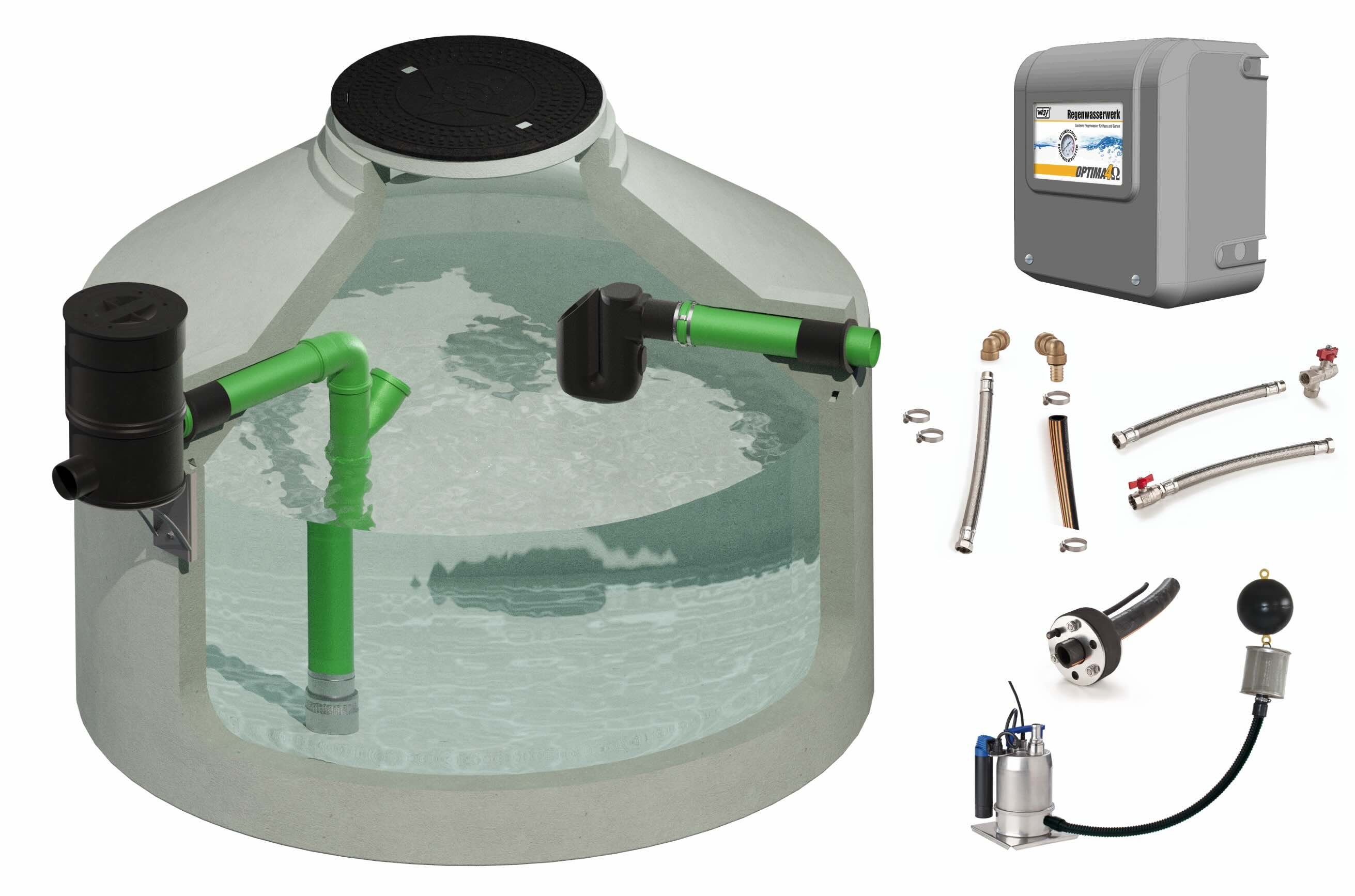
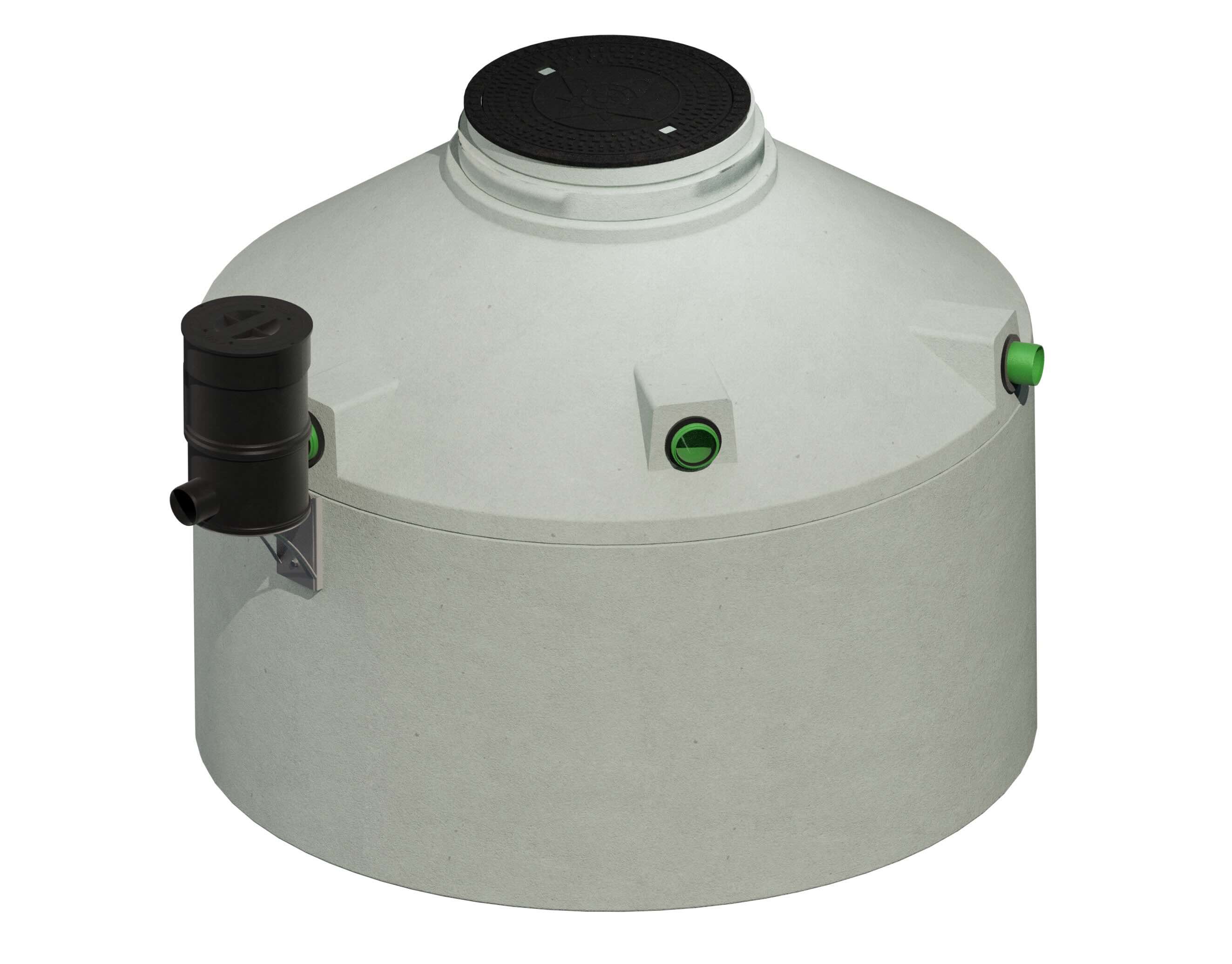


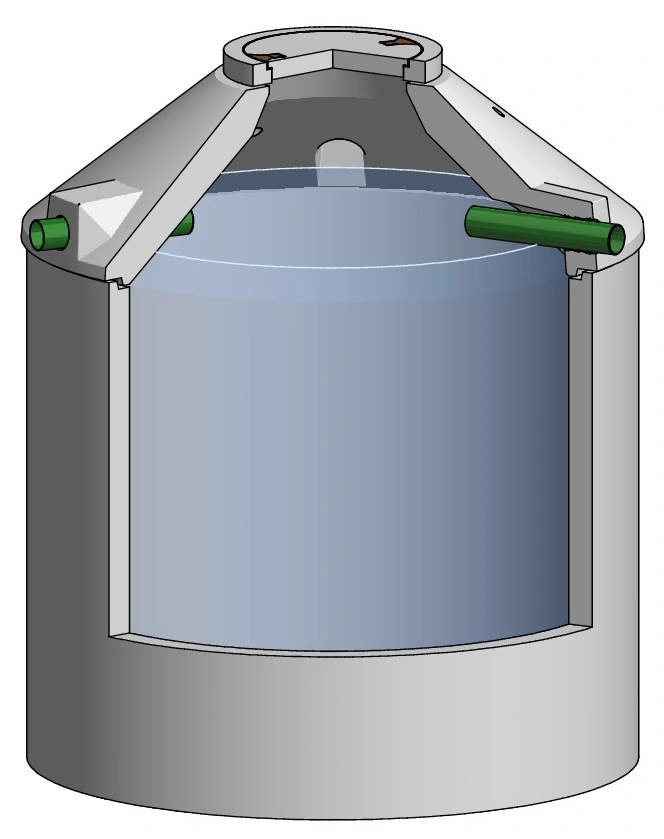
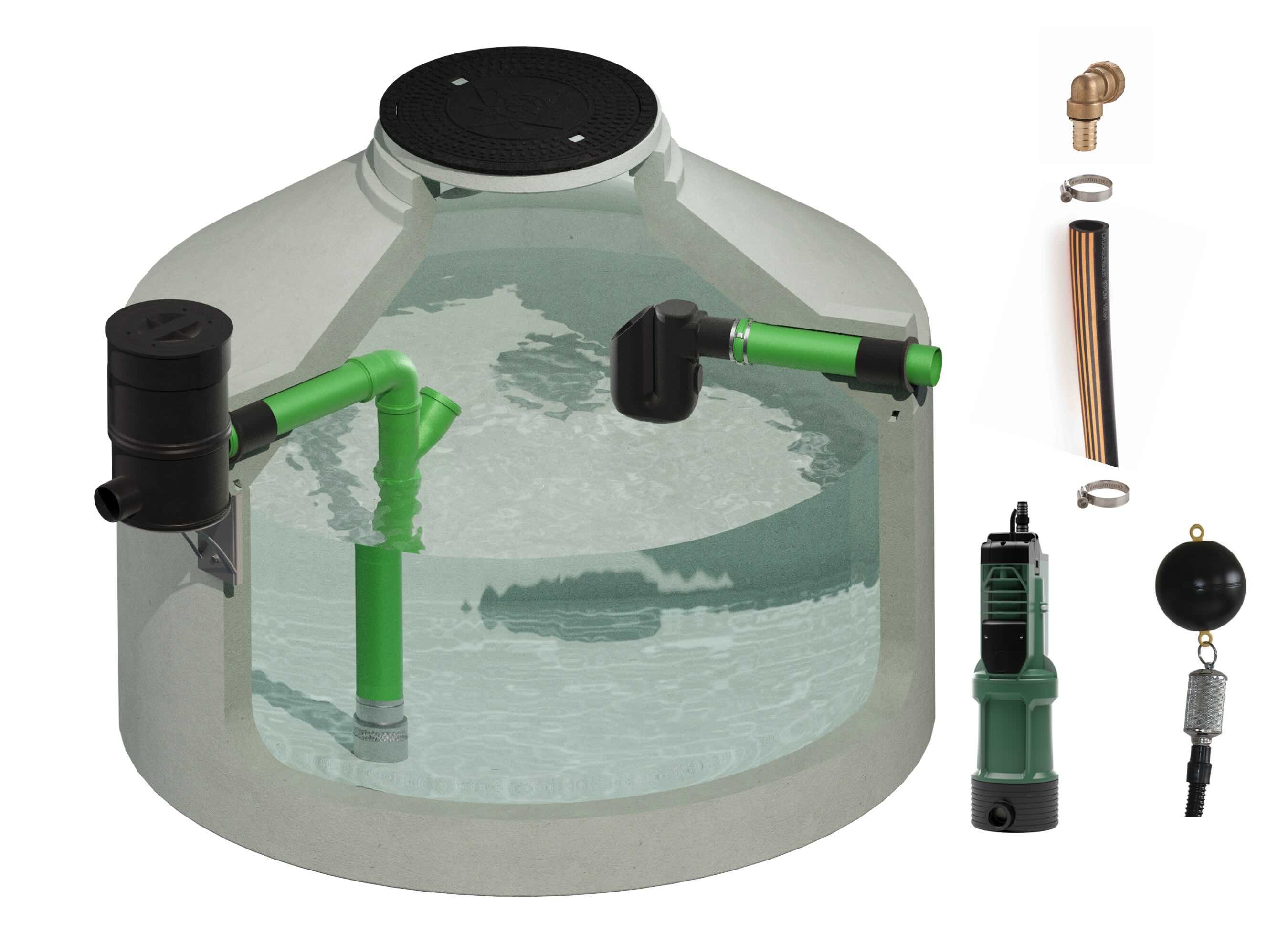
Advantages & disadvantages of using rainwater for the garden
The use of rainwater offers many advantages for watering the garden, but also brings with it some challenges. Below you will find an overview of the most important points to help you decide whether this form of water utilisation is suitable for your garden. If you also install a garden water meter, you can precisely monitor the consumption of the collected water and further increase efficiency. Rainwater is an ideal alternative if you want to use water for your garden in a more sustainable and cost-effective way.
- Advantages:
- Saves water and wastewater costs
- Environmentally friendly and sustainable
- Soft, plant-friendly water
- Independence from drinking water shortages
- Disadvantages:
- Acquisition costs for cistern or rain barrel
- Space required for storage systems
- Maintenance of the system necessary
- Limited availability in dry summers
Although the purchase is initially associated with costs, the advantages outweigh the disadvantages in the long term. By using rainwater, you can create a sustainable and independent garden supply that protects both the environment and your wallet.
How much money do you save by using rainwater?
Water consumption in the garden per year depends on the size of the area and the type of planting. On average, between 60 and 120 litres per square metre are needed to water beds, lawns and plants sufficiently. For a garden of around 500 square metres, the annual costs can quickly amount to between 150 and 400 euros if tap water is used. This sum shows that alternative systems such as rainwater utilisation can quickly pay for themselves.
The use of rainwater can reduce running water costs by up to 100 per cent. Depending on the amount of precipitation and the size of the storage tank, the entire garden requirement can be covered without having to use additional drinking water. This allows you to benefit from a noticeable reduction in running costs while protecting the environment at the same time.
Even if the purchase of a cistern initially means an investment, it pays off in the long term. A high-quality system pays for itself after just a few years. Over the years , several thousand euros can be saved. With a well-planned rainwater utilisation system, you can create a durable and sustainable solution that pays off both economically and ecologically.

Save water and money efficiently
If you want to reduce costs in the long term and use water efficiently, you should plan your rainwater utilisation carefully. It is crucial to choose the right size of cistern based on the garden area and the average amount of rainfall. It is equally important to invest in high-quality filters and pumps to ensure that the collected water can be pumped cleanly and reliably. Drip irrigation can be used to control the amount of water so that less is lost and the plants are optimally supplied.
Installing technical aids can also contribute to better control. If you install a water meter in your garden, you can keep a close eye on consumption and adjust your watering times accordingly. In many regions, there are also subsidy programmes that provide financial support for the purchase of cisterns or rainwater systems. Although the initial investment is higher, it pays for itself several times over over the years, as both water and wastewater costs are significantly reduced.
Rainwater saves costs and protects the environment
Garden water from the tap can quickly become expensive due to water and wastewater charges, which is why rainwater utilisation is a cheap and environmentally friendly alternative. A well-planned cistern can save considerable costs in the long term, even if the initial investment is somewhat higher. The advantages clearly outweigh the disadvantages, as you benefit from lower running costs, a more sustainable use of resources and greater independence from drinking water prices. If you also install a water meter for the garden, you can monitor your consumption in a targeted manner and increase the savings potential even further. With the right strategy and modern irrigation systems, you can save several hundred euros a year and make an important contribution to environmental protection at the same time.