


Unterirdische Rasenbewässerung mit Regenwasser
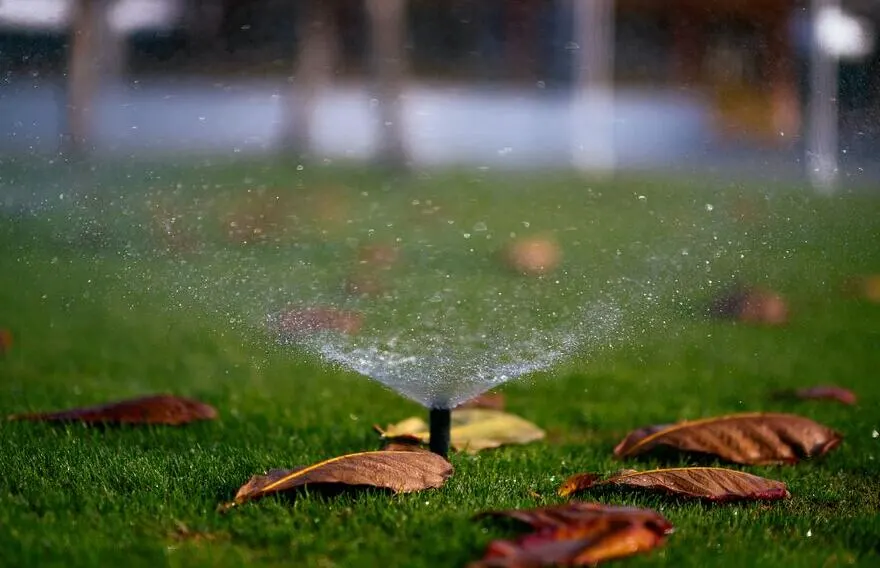
Unterirdische Bewässerungssysteme versorgen Ihren Rasen direkt an den Wurzeln und reduzieren Wasserverluste durch Verdunstung deutlich. Im Gegensatz zu sichtbaren Lösungen bleibt die Fläche frei von Schläuchen oder Düsen und wirkt dauerhaft gepflegt. Für Eigentümer großer Grundstücke, Bauherren mit Zisterne, Kommunen, Hotels oder Facility Management stellt eine unterirdische Rasenbewässerug ein spannendes Thema dar!

The most important points summarised
Conscious use of water in the garden is based on planning, technology and appropriate care. This allows you to save water in the garden in the long term:
- Well thought-out garden planning and soil improvement reduce the need for water in the long term.
- Targeted irrigation systems supply plants efficiently and avoid losses.
- Correct watering promotes deep root growth and increases drought resistance.
- Rainwater utilisation reduces drinking water consumption and conserves resources.
- Mulch, windbreaks and plant groupings minimise evaporation.
- Sustainable solutions save water, time and costs while maintaining plant health.
Understanding and improving soil quality
The ability of a garden to retain moisture depends largely on the soil structure. Loamy soils retain water significantly longer than sandy variants, but require appropriate care to prevent waterlogging and ensure aeration.
The targeted incorporation of compost can naturally improve the water retention capacity. Organic material stabilises the soil structure, promotes microorganisms and ensures that water remains available in the garden more efficiently
An additional layer of mulch protects the surface from direct sunlight, reduces evaporation and prevents drying out. At the same time, healthy soil acts like a sponge, which noticeably reduces the need for watering and even the water consumption of lawn sprinklers can be critically scrutinised.
The right choice of plants for sustainable decisions
A well-thought-out choice of plants is one of the most effective levers for permanently reducing water requirements in the garden. Deep-rooted plants draw moisture from deeper layers of soil and therefore require significantly less water. Especially during dry periods, this characteristic ensures stable plant development without the need for additional care.
Native species are adapted to the local climate and generally require less support from irrigation. They react more robustly to temperature changes and precipitation patterns, which makes them particularly easy to care for for hobby gardeners. Succulents and drought-resistant varieties are also suitable as they store water and hardly require any additional watering even during longer periods of heat.
Shade-tolerant plants make a further important contribution by protecting the soil from overheating and reducing evaporation. In combination with a clever planting mix, in which species with similar water requirements are planted together, maintenance processes can be efficiently controlled.
This low-water planting can measurably reduce overall consumption and save water in a targeted manner without having to sacrifice healthy plants or a neat appearance.
Using rainwater as a valuable garden resource
Rainwater offers clear advantages for the garden, as it is free of lime residues and is particularly well absorbed by plants. Compared to tap water, it is gentle on sensitive soils and supports healthy growth without negatively affecting the natural soil structure. For hobby gardeners, this provides an efficient way of supplying plants with the water they need while conserving resources.
Various systems are available for storage, which can be flexibly adapted to the size of the garden. The following solutions have proved particularly successful:
- Rain barrels for smaller areas and flower beds
- Underground storage systems such as a cistern for larger quantities of water
- Roof surfaces as efficient collection areas for precipitation
Targeted collection creates an independent water supply that bridges even longer dry periods and significantly reduces the consumption of drinking water. Filter inserts play a central role in this, as they reliably retain leaves, dirt and other particles and ensure consistent water quality.
In combination with an irrigation system, the stored rainwater can be distributed in a controlled manner and utilised optimally. Professional systems from Wisy also rely on durable components and sophisticated technology, which results in long-term cost savings and at the same time promotes the conscious use of resources.
Sustainable gardening and clever water saving
Sustainable garden care has measurable effects, as healthy plants, lower running costs and responsible behaviour all go hand in hand. If you make a conscious choice of systems and processes, you will noticeably reduce water consumption in your own garden and at the same time increase the resilience of the soil and plants.
Using rainwater protects natural resources and reduces dependence on treated drinking water. Combined with forward-looking planning, the result is a garden that requires less maintenance and yet remains reliably supplied with water. In this way, time sequences can be optimised and unnecessary peaks in consumption avoided.
Besonders geeignet ist diese Lösung für folgende Privatpersonen-Gruppe
- Eigentümer größerer Grundstücke
- Bauherren im Neubau mit Regenwasserzisterne
- Personen mit automatisierten Smart Garden Systemen
- Anspruchsvolle Gartenbesitzer mit nachhaltigem Fokus
Im B2B Bereich profitieren insbesondere
- Kommunen mit Parks öffentlichen Grünanlagen oder Sportplätzen
- Landschafts und Gartenbauunternehmen
- Facility Management Unternehmen
- Hotels und Ferienanlagen mit weitläufigen Außenflächen
- Industrieunternehmen mit großen Außenanlagen